
Community · September 9, 2026 · 12 min read
How Sleep Affects Your Relationships in Waking Life
How sleep affects relationships: why tired evenings shrink your patience, how unprocessed days spill onto loved ones, and simple habits that help you show up.
Sleep affects your relationships mostly through patience and presence. When you are rested, small frictions pass through without comment and you can actually follow what the people you love are saying. When you are running on empty, minor moments feel personal, your tone sharpens, and leftover stress from the day tends to land on whoever is closest. The good news is that the pattern is familiar, predictable, and something you can work with.
This article is not a research review, and it does not cite statistics. It looks at a widely shared experience: the same person can be warm on a good night and prickly on a bad one, and the people nearest to us feel that difference first. Below you will find why that happens, where the friction tends to show up, a practical evening routine for closing the day, and where a reflection tool like in.between, ETAPX's AI sleep and reflection journal, fits in and where it does not.
The Patience Reserve: A Simple Way to Think About Tiredness
Picture patience as a reserve you start the day with. Every commute delay, tense meeting, and unanswered email draws a little from it. Rest is what refills it. On a good night, you begin the next day with room to spare. On a short or broken night, you start with less, and by evening there may be very little left.
That framing helps explain a lot of household conflict. When a partner asks whether you picked up groceries or a roommate mentions the recycling, the question itself is neutral. What changes is how much reserve you have when it arrives. With plenty left, it registers as information. With almost none, it can sound like criticism, and your answer comes out sharper than you intended.
- Full reserve: you notice the small thing, decide it is not worth a comment, and move on.
- Low reserve: you notice the small thing and say something about it, usually with an edge.
- Empty reserve: you react before you have even decided whether to react, and the conversation escalates over something trivial.
Nobody needs a sleep lab to recognize this. Most adults can recall an argument that, in hindsight, was driven far more by an empty tank than by the words exchanged.
Five Ways Poor Sleep Shows Up Between People
Tiredness rarely announces itself as tiredness. It tends to disguise itself as a mood, an attitude, or a conflict. Learning to spot the disguises makes it easier to catch them early.
1. Shorter Replies and Sharper Tone
When you are exhausted, conversation feels like effort. Answers shrink to a word or two, and tone carries more irritation than you mean to send. The other person usually hears the tone before the words.
2. Reading Neutral Messages as Negative
A brief text, a delayed reply, or a flat "ok" is easy to read as coldness when you are worn down. Rested, you would probably assume the other person was just busy.
3. Being There Without Being Present
You can sit at the same table with your phone face down and still be miles away, replaying a work problem or running tomorrow's list. People can usually tell when they are being half-heard, and it often matters to them more than a missed chore.
4. Avoiding Conversations That Need Energy
Important talks about money, plans, or feelings get postponed because you simply do not have the bandwidth. Postponed often enough, they turn into bigger talks later, sometimes with resentment attached that would not have been there if the talk had happened on a better day. The answer is not to force them while exhausted but to name a specific, rested time to have them.
5. The Delayed Apology
Many people know the moment an hour or a day after snapping, when it becomes obvious that the reaction was out of proportion. That gap between reaction and recognition is one of the clearest signs that something else was being carried.
Why a Rough Day Does Not Stay in the Day It Happened
Here is the part that is easy to overlook. Sleep is not only about hours. It is also about what you bring to bed with you. A frustrating day that never gets acknowledged does not vanish overnight. It tends to resurface as a shorter fuse the next morning or a disproportionate reaction to something unrelated a few days later.
A day that never gets closed tends to reopen itself on someone who was never part of it.
Think of a boss's offhand comment, a bill that arrived at the wrong time, or a conversation that ended badly. If none of it gets named, it often gets displaced. Whoever catches it, frequently a partner, child, or close friend, ends up absorbing frustration that was never about them. Over weeks, a run of unprocessed days can make an occasional short temper start to feel like a personality trait, both to you and to the people around you.
The fix is not dramatic. Even a few minutes of honest acknowledgement before sleep, saying or writing what actually bothered you, can loosen its grip enough that it does not travel into tomorrow.
Different Relationships, Different Pressure Points
Tiredness does not affect every relationship the same way. Knowing where the pressure points are helps you plan around them.
- Partners: evenings are often the only shared time, which means they are also when both people's reserves are lowest. Scheduling heavier conversations for a rested moment can prevent many avoidable fights.
- Parents and kids: children ask the same question three times and need patience at the exact hours adults have the least of it. A tired parent's sharp tone is common and forgivable, and naming it ("I'm tired, that wasn't about you") helps kids understand it.
- Roommates: small shared-space frictions like dishes, noise, and thermostat settings feel much bigger when you are exhausted. A quick, rested check-in on house rules beats a midnight confrontation.
- Friends: tiredness often shows up as cancelled plans and slow replies. Friends generally understand, especially if you tell them what is going on instead of going quiet.
- Coworkers: a short night can make feedback feel like an attack. If you can, pause before replying to anything that stings, and reread it after a break.
An Evening Routine That Protects the People You Love
You do not need a perfect sleep schedule to reduce how much tiredness leaks into your relationships. You need a few repeatable habits that close the day before it gets carried forward. Try this sequence for a week and adjust what does not fit.
- Name your reserve out loud. When you walk in the door, a simple "I'm running low tonight" gives the people around you context and lowers the odds of misreading your tone.
- Move heavy topics to a better time. If a serious conversation comes up late, agree on when you will have it instead of forcing it on an empty tank.
- Create a short buffer after work. Ten quiet minutes, a walk, or a shower before re-engaging can help you switch modes. Even sitting in the car for a moment before walking inside gives your mind a chance to leave work at work instead of carrying it straight into the kitchen.
- Do a two-minute day review before bed. Write or say what went well, what bothered you, and what you are still holding onto.
- Separate "today's stress" from "this person." Ask yourself whether the irritation you felt this evening actually belonged to someone else or somewhere else.
- Repair quickly when you slip. A short, specific apology the same night ("I was sharp earlier, that was about my day") prevents small moments from piling up.
- Protect your wind-down from new inputs. Late scrolling and work email tend to reopen the day you are trying to close.
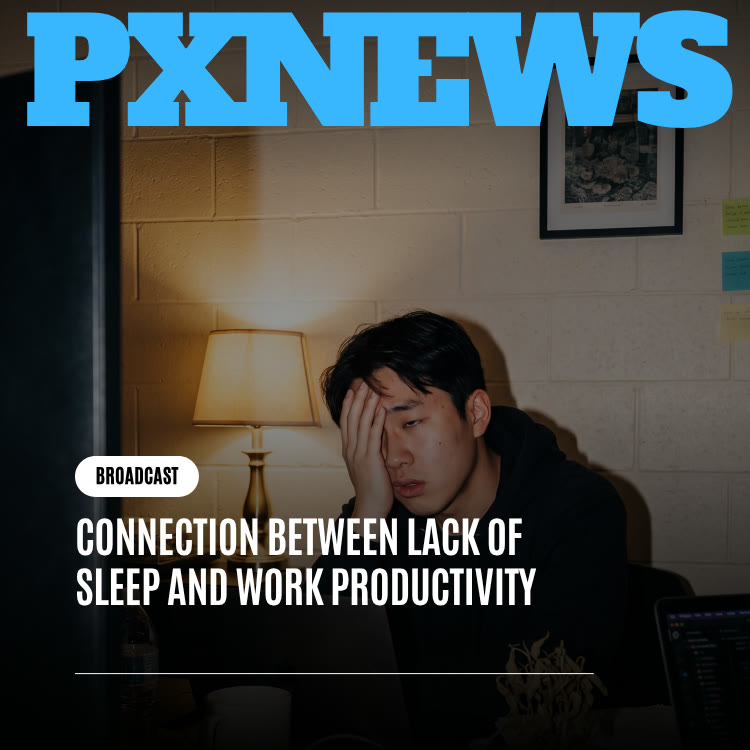
For a closer look at how rest affects focus at work, read our piece on the connection between lack of sleep and work productivity.
Where in.between Fits Into Your Nightly Wind-Down
Step four in that routine, the brief day review, is exactly the space ETAPX designed in.between for. The app pairs a bedtime journal with an AI companion named Nalani. You can talk or type through what happened, and Nalani listens, mirrors back what you shared, and follows up with soft, open questions that help you see what you are still holding.
That last part matters. Nalani does not tell you how you should have handled a disagreement or hand you a script for tomorrow's conversation with your partner. The goal is self-recognition: realizing, in your own words, that the short answer you gave at dinner might have been about a meeting six hours earlier. Naming that is often enough to keep it from showing up again in the morning.
- Short sessions are enough: a two-minute check-in is a complete session, so you do not need a long entry to get value.
- No pressure to show up nightly: there are no streaks, so you can use it on the nights that call for it and skip the rest.
- Built for late hours: the experience is designed to be calm at the time of day when many people finally have space to think. Our article on late-night sessions explains why.
The product's broader philosophy is covered in why mental health and rest were our priority with in.between.
Knowing the Limits: When Rest and Reflection Are Not Enough
It would be a disservice to suggest that sleep or journaling fixes relationship problems. Real disagreements, long-running conflict, and genuine hurt do not dissolve because someone slept well or wrote a few lines before bed. A nightly reflection habit helps with the everyday residue of a hard day. It is not a substitute for honest conversations between two people, and it is not couples counseling.
Nalani offers wellness support; she is neither a licensed therapist nor a relationship counselor. If what you are dealing with has lasted months, involves recurring conflict, or feels heavier than ordinary stress, a qualified professional is the right resource. The app is built to nudge you toward that kind of support when an entry suggests something beyond a long day. The same goes for persistent sleep trouble itself: if rest is consistently hard to come by, talking to a doctor is worth more than any app.
For Creators and Businesses: Protecting Your Community From Your Tired Self
If you build an audience or run a business on Whistlr, your relationships extend beyond your household. Peers, customers, and live viewers also feel the difference between a rested and an exhausted version of you, especially in comments, DMs, and late streams. A few habits help.
- Do not moderate on fumes: when you go live late, add moderators before you start. Whistlr lets you appoint up to 20, and they can mute or hide comments so you are not making every call while tired.
- Use hidden words for the live: setting hidden words for a stream filters predictable negativity before it reaches you, so a single rude comment does not set the tone of your night.
- Turn off comments when you need a break: per-post controls let you switch off comments or replies on a specific whistle instead of answering everything at midnight. See the full set of options on our control settings page.
- Draft, then send in the morning: if a customer message or critical comment stings late at night, write your reply in drafts and review it rested before sending.
- Plan heavy work for rested hours: pricing changes, dispute responses, and difficult announcements deserve your full reserve, not your last ten percent.
Consistent, calm communication is one of the most underrated growth habits. Our best practices guide covers more ways to keep your community experience steady.
Small Rituals, Real Effects on the People Closest to You
The pattern is ordinary but worth taking seriously: more patient when rested, shorter-fused when exhausted, and the difference is felt mostly by the people we care about most. A partner across the table, a child asking for the third time, a friend waiting on a reply. They feel whichever version of you arrives most directly.
You cannot control every night's sleep. You can control whether a hard day gets a moment of closure before it rolls into the next one. Naming your reserve, postponing heavy talks, repairing quickly, and taking a couple of minutes to put the day down are modest habits, but they add up to evenings that feel noticeably kinder for everyone involved.
Frequently Asked Questions
Can lack of sleep cause relationship problems?
Poor sleep is commonly linked in everyday experience to lower patience, sharper tone, and less attentive listening, which can make small disagreements escalate. It is rarely the root cause of serious relationship issues, but it can make ordinary friction feel much bigger than it is.
Why am I more irritable with my partner when I'm tired?
Partners usually share the evening, which is when your patience is lowest after a long day. Neutral comments are easier to hear as criticism when you are depleted, and leftover stress from work can get redirected toward whoever is closest.
How can I stop taking a bad day out on my family?
Give the day some closure before bed. Tell people when you are running low, move heavy conversations to a rested time, take a short buffer after work, and spend a couple of minutes naming what actually bothered you so it does not carry into tomorrow.
Does journaling before bed help with relationships?
A brief reflection before sleep can help you separate today's stress from the people around you, which makes it less likely to spill over the next day. It complements honest conversations with the people you love but does not replace them.
Can in.between help me and my partner stop arguing?
in.between is designed to help you process the everyday residue of a hard day, not to resolve conflicts between two people. Nalani listens and asks reflective questions rather than giving relationship advice, and for ongoing conflict a couples counselor or licensed professional is the right resource.
Do I need to use a sleep journal every night?
No. Consistency helps some people, but it is not required. in.between has no streaks, and a short check-in counts as a full session. Many people get the most value by using it on the nights when something is actually weighing on them.
Rest will not solve every disagreement, but it changes which version of you walks into the room. Give your days a small, honest ending, and the people who matter most will feel the difference long before you do.