
Product · September 9, 2026 · 13 min read
Late Night Sessions Is What in.between Was Built For
Late-night journaling works best in an app made for bedtime. See how in.between and Nalani use slow pacing, dim visuals, and restraint to help you wind down.
in.between, the AI sleep and reflection journal from ETAPX, was shaped around a single part of the day: the last stretch before you fall asleep. Its slower pacing, dim visual style, and a companion in Nalani that knows when to say less all come from treating bedtime as the whole design brief rather than one use case among many. If you have wondered why the app feels so different from a daytime productivity tool, this guide explains the thinking, the trade-offs, and how to get the most out of a late-night session.
Why Bedtime Is a Different Kind of Screen Time
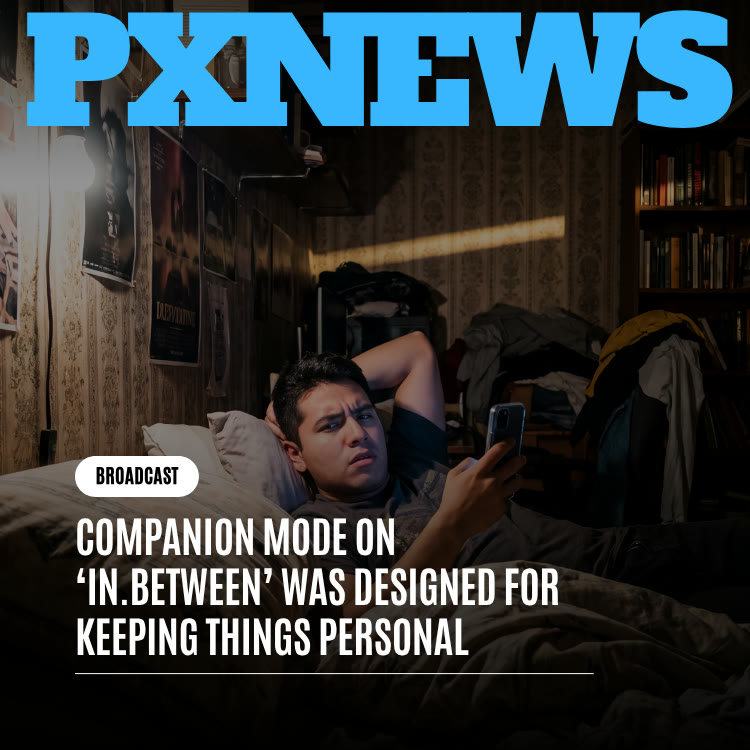
Most apps are built for the person you are at two in the afternoon: alert, multitasking, ready to tap through menus quickly and move on. That version of you wants speed, options, and instant feedback. The person reaching for a phone at the end of the night is someone else entirely. The meetings are over. The messages have mostly stopped. The lights are low, and for many people this is the first quiet stretch of the whole day.
That quiet changes how the mind works. Thoughts that were pushed aside since morning tend to come back up. People are often more candid with themselves once they stop managing how they come across. They are also more easily jolted. A loud notification, a bright white screen, or a cheerful prompt asking you to "keep your streak alive" can feel like someone flipping on the overhead light in a bedroom.
in.between starts from that observation. Instead of asking how to be useful whenever someone happens to open it, the team asked what a tired, unguarded person actually needs in the minutes before sleep. The answer pointed away from almost every pattern that makes daytime apps feel responsive.
What ETAPX Noticed About How People Used in.between
The bedtime focus did not begin as a branding idea. It came from watching when people really opened the app. Rather than scattering sessions across commutes and lunch breaks the way many wellness tools see, in.between's usage clustered tightly in one evening window, night after night, just before people set their phones down.
Looking closely at those sessions surfaced a handful of consistent behaviors:
- Slower input: People typed at a relaxed pace, paused often, and frequently started writing before they knew exactly what they wanted to say.
- One thread at a time: Tired minds handle a single line of thought comfortably. Extra menus, branching choices, and stacked prompts became obstacles instead of helpful options.
- Light as interruption: A bright interface did not just look out of place in a dark room. It worked like an alarm, pulling attention outward at exactly the wrong moment.
- Entries that start mid-thought: Late-night writing rarely opens with a neat topic sentence. Prompts that tried to steer people toward tidier subjects were usually ignored.
- A need for a real ending: A session with no natural finish can leave a person wired instead of drowsy, which defeats the purpose entirely.
That last observation forced the hardest rethink. In most software, a longer session counts as a win. For an app meant to help you settle before sleep, a session that keeps you stimulated is closer to a failure. The team had to stop treating time-in-app as a proxy for value and start measuring success by whether people left calmer than they arrived.
Choosing One Moment Over Every Moment
There is a safe, familiar path for a journaling product: make it flexible enough for a stressful noon, a rough afternoon, and a quiet night. That approach widens the number of situations a product can claim, but it comes at a cost. A tool tuned to be acceptable at every hour rarely feels exactly right at any of them.
in.between takes the opposite position. It is intentionally narrow. Features that make a quick daytime check-in feel satisfying, such as snappy capture, rapid-fire prompts, and nudges designed to bring you back a few hours later, were left out because they get in the way of a person trying to unwind in the dark. The team accepted that the app might feel a little out of place at lunchtime in exchange for feeling right at midnight.
An app built for the minutes before sleep should be judged by how calm you feel when you close it, not by how long you stayed.
AJ, ETAPX's founder and CEO, has framed the company's first consumer AI release around this kind of focus: build something specific and do it well, rather than shipping a broad tool that is average everywhere. You can read more about that reasoning in why in.between became ETAPX's first product rollout.
How Pacing Changes When You Design for a Tired Mind
Pacing is easy to overlook because good pacing is nearly invisible. Bad pacing is not. Daytime software usually snaps between screens, answers instantly, and rewards quick taps. Those choices make sense for an alert user. For someone who is winding down, they read as abrupt.
Slower Transitions
Screens in in.between ease into place rather than popping. The goal is to avoid the small visual jolts that keep a nervous system on alert. When nothing on the screen is rushing, there is less pressure to rush yourself.
Responses That Leave Room
The team found that a short pause between sharing a thought and seeing a reply did not feel like lag. It felt considered. An answer that appears the instant you stop typing can feel as if the system had its reply ready before it heard you. A little breathing room signals that what you wrote was actually taken in.
Sessions That Taper Off
Many apps simply stop when you swipe away. in.between is designed so a session winds down gradually, with a sense that the conversation is settling rather than being cut off. When the whole point is to leave you ready for sleep, the ending matters as much as the beginning.
Nalani's Late-Night Conversational Style
Nalani, the first AI companion model ETAPX built for a specific purpose, was designed to be calm and attentive. Being calm at noon and being calm at midnight are not quite the same skill, so the team tuned how Nalani behaves for the hour in.between actually lives in. If you are new to Nalani, our introduction to Nalani AI covers the model itself.
At night, Nalani leans toward restraint:
- Shorter replies: Long, dense responses ask too much of a tired reader. Brief answers keep the focus on your own thoughts.
- Fewer new directions: A daytime chatbot might suggest a fresh angle to keep things moving. Nalani is built to avoid introducing topics you did not raise.
- Comfort with quiet: When a thread runs out, Nalani does not rush to fill the gap. After a draining day, silence is often the right response.
- Gentle handling of honesty: People tend to say more candid, half-finished things when they are tired. Nalani is designed to receive those moments softly instead of using them as a cue to dig in with more questions. You decide how far to take it.
That last point is where trust is built. A companion that pounces on every unguarded sentence teaches people to guard themselves. One that simply listens makes it easier to come back tomorrow night.
Visual Design That Stays Out of the Way
Everything you see in in.between follows the same logic as its pacing. The interface is soft and low in contrast, with muted tones and nothing that demands to be stared at. It is built for the dark from the ground up, which goes further than a theme switch: the entire look assumes your eyes have already adjusted to a dim room and should not be forced to readjust.
Keeping stimulation low was a hard requirement rather than a style preference. Plenty of apps fight for your focus, since capturing it is their business model. in.between deliberately gives that up. The aim is for the interface to fade into the background the way a familiar, comfortable room does, so that your attention rests on your own thoughts instead of on the app.
You can see this in the small things that are missing. There are fewer moving elements at once, softer edges, and more patience before new content shows up. The celebratory extras common to habit apps, such as confetti bursts, badges, and streak alerts, are absent on purpose. Each of those works by delivering a little spike of alertness, and that is exactly what a bedtime tool needs to avoid.
How to Get the Most Out of a Late-Night in.between Session
Because the app is tuned for one window of the day, a few habits help you get the most from it:
- Open it as part of winding down: Treat in.between as one of the last things you do before sleep, after the day's tasks are finished, rather than something you squeeze in between other apps.
- Dim your surroundings first: Lower the room lights and your screen brightness so the app's soft visuals can do their job.
- Start wherever your head is: You do not need a topic. Begin with whatever thought is closest to the surface, even if it is a fragment.
- Let Nalani be brief: Short replies are intentional. If you want to go deeper on something, say so, and let the pace stay slow.
- Allow the session to end: When the conversation settles, let it. Resist the urge to keep going for the sake of it.
- Put the phone down after: The session is designed to be a bridge into rest. Closing the app and setting the phone aside completes it.
For more on building a reflection habit around sleep, see journaling your sleep life with a companion that understands.
Clear Boundaries: What in.between Does Not Do
An app designed for vulnerable, honest moments has to be equally clear about its limits. in.between is built for wellness, and so is Nalani. Neither one counts as therapy or a medical device, and neither replaces professional mental health care. The app does not assess, diagnose, or treat any condition, and it is not positioned as able to.
What it offers is a calm, low-stimulation place to reflect once your day is done, paired with a companion that listens without judgment. If what someone shares points to a real mental health concern, in.between is built to steer them to qualified professionals instead of acting as a stand-in. Keeping that boundary firm is part of what makes it reasonable to build something this tuned to a sensitive time of day.
What Creators and Businesses on Whistlr Can Take From This
in.between is a separate ETAPX product, but the principle behind it applies directly to anyone publishing on Whistlr: content performs best when it fits the moment your audience is actually in. A creator who designs for a specific moment, rather than for an imaginary audience that is always alert, usually connects more deeply.
- Know when your peers show up: Whistlr's professional dashboard includes a Followers section with data such as Most active times. Check them in Insights and think about the state your audience is in during those hours.
- Match energy to the hour: A high-energy Mini can land well mid-afternoon. Late in the evening, calmer formats such as a reflective whistle on Chattr, a slower Story, or a relaxed live audio Room may fit better.
- Value quality of attention: in.between measures success by how people feel afterward. On Whistlr, signals like watch time, comments, and reposts tell you more than a raw view count about whether you actually connected.
- Do not overload the screen: Restraint works in creative too. One clear message, one call to action, and enough visual space let a post breathe.
Our best practices guide covers more ways to build content around how your audience really behaves.
Why a Narrow Focus Was the Right Call
It might look as though focusing this tightly was a compromise the team tolerated. It was the strategy. Every proposed feature and every design habit borrowed from daytime apps was checked against one question: does this help a tired person in a dim bedroom after a full day, or does it just make the app look more capable on paper? Ideas that failed that test were dropped, even when they might have looked good in isolation.
The result is a product with a narrower job than an all-purpose journal and, by design, does that one thing with far more care. Softer colors, slower pacing, and a companion that holds back on words may not sound impressive in a feature list. Together, they are why in.between feels like it belongs in the last few minutes of your day.
Frequently Asked Questions
What makes in.between different from a regular journaling app?
in.between is designed around one moment, the stretch right before sleep, instead of being a general tool for any time of day. Its pacing, dim visual style, and Nalani's quieter conversational rhythm are all tuned for someone who is tired and winding down. Many standard journaling apps are built for quick daytime capture instead.
Can I use in.between during the day?
Yes, you can open it whenever you like. It simply was not optimized for daytime use, so it may feel slower and quieter than you expect at noon. The experience is at its best during a late-night, wind-down session.
Why does Nalani give short answers at night?
Shorter replies are intentional. A tired mind handles brief responses more comfortably, and keeping Nalani's side of the conversation light leaves more room for your own thoughts. Nalani is also designed to avoid introducing new topics and to let pauses sit rather than filling them.
Is journaling before bed good for sleep?
Many people find that writing down lingering thoughts before bed helps them feel more settled, which is the idea behind in.between. The key is keeping the session calm and low in stimulation and letting it end. in.between is a wellness tool, not a treatment for sleep or mental health conditions.
Does in.between replace therapy?
No. in.between and Nalani are wellness tools. They are not a licensed therapist or a medical device and do not replace professional care. The app does not diagnose or treat any condition, and it is built to steer people to qualified help when a situation calls for it.
Why doesn't in.between use streaks or badges?
Streaks, badges, and celebratory animations work by creating small bursts of alertness. That is the opposite of what someone needs right before sleep. in.between leaves them out on purpose so the app stays calm and low in stimulation.
in.between was built for the honest, slower version of you that shows up once the day is done. Open it when the lights go down, let Nalani keep things quiet, and let the session carry you toward rest instead of keeping you awake.